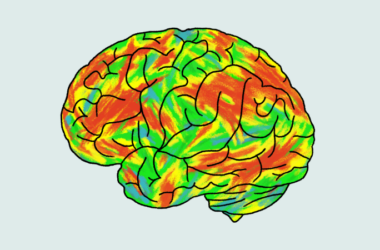
A staggering number of dementia cases might be avoidable or postponed, according to new evidence-based guidelines released by the World Health Organization. With over 57 million people currently living with the condition and nearly 10 million new diagnoses occurring every year, the WHO suggests that up to 45 percent of the risk is linked to modifiable factors. While there is still no known cure for dementia, which primarily manifests as Alzheimer’s disease in most patients, these findings offer a hopeful roadmap for protecting cognitive health throughout a person’s life.
The updated recommendations emphasize that daily choices and environmental factors play a massive role in brain health. To lower their risk, officials suggest focusing on physical activity, quitting tobacco, limiting alcohol intake, and maintaining a healthy diet. Interestingly, the guidelines also highlight less obvious contributors like social isolation and air pollution as key areas where intervention is needed. Medical management of conditions such as high blood pressure, diabetes, and high cholesterol is equally critical, and the WHO even suggests that using hearing aids can serve as an effective strategy to reduce risk.
Dr. Tedros Adhanom Ghebreyesus, the Director-General of the WHO, noted that we now possess more knowledge than ever before regarding what drives dementia risk. He stressed that these guidelines are designed to translate scientific research into immediate public health actions that countries can implement to safeguard their citizens. However, the organization was careful to debunk some common myths, stating that supplements like omega-3 fatty acids and vitamins B and E should not be used for prevention unless a specific deficiency has been diagnosed, citing a lack of evidence for their benefit in these cases.
Beyond the personal toll on dignity and independence, the WHO highlighted the crushing economic weight of the disease. Dementia costs the global economy roughly 1.3 trillion dollars annually, with family members and friends providing about half of that value through unpaid caregiving. By integrating brain health into broader mental health and chronic disease services, global health leaders hope to significantly lighten this burden and allow millions of people to lead longer, more independent lives.