For Ileana Okumus, a resident of a top floor apartment in Brussels, the recent European heatwave felt unexpectedly brutal. Despite having lived through scorching temperatures in other parts of the world, she found herself unable to cope, spending entire days exhausted and sleeping for eighteen hours straight. It was only after discovering similar stories on social media that she realized her struggle wasn’t just about the weather, but rather a hidden interaction between the rising mercury and the medications she takes for depression and anxiety.
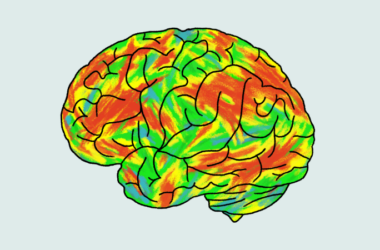
Medical experts explain that several common prescriptions can fundamentally alter how the human body handles heat. Many drugs used to treat mental health conditions, such as those for bipolar disorder or ADHD, interfere with the hypothalamus, which acts as the brain’s internal thermostat. When this center is compromised, the body fails to trigger essential cooling mechanisms like sweating or reducing metabolism. Some older antidepressants go a step further by blocking certain neurotransmitters, either causing excessive perspiration or suppressing sweat entirely, leaving the body unable to shed excess heat.
The risks extend far beyond psychiatric care into cardiovascular health. Medications designed to manage high blood pressure and heart conditions, including beta blockers and diuretics, can significantly heighten vulnerability to dehydration. Dr. Logan Harper warns that these drugs can push a patient toward severe complications like renal failure or heart attacks during extreme heat events. This creates a dangerous compounding effect for older adults who often take a cocktail of various medications simultaneously, making them susceptible to hospitalization even when there isn’t a full scale heatwave occurring.
Beyond chemistry, socioeconomic factors play a critical role in who suffers most. Those living in urban heat islands—densely packed city centers with little greenery and plenty of concrete—often lack access to air conditioning, exacerbating the physiological strain caused by their medication. For someone working a manual labor job or experiencing homelessness while on diuretics or SSRIs, the inability to regulate body temperature can quickly become a medical emergency that feels like typical heat exhaustion but is actually driven by pharmaceutical interference.